

Infrastructure investment is transforming Long Island—and with it comes a responsibility to ensure that our communities benefit in real, lasting ways. Local hiring is one of the most powerful tools we have to turn public investment into opportunity. When done right, it’s not just a requirement to meet—it’s a strategy to grow our economy, strengthen our communities, and demonstrate what responsible construction leadership looks like.
The realities the construction world faces are labor shortages, tight deadlines, and mounting pressure to deliver quickly. But local hiring doesn’t have to slow us down. When embraced as a shared goal, it can become a competitive advantage. With the right systems in place, local hiring becomes a catalyst—not a constraint.
Meeting local hiring goals takes more than a last-minute recruitment push. It requires a reliable pipeline of local talent that begins long before a project breaks ground. Too often, young people in our communities never see trades as a viable career option. They lack exposure in school and access to hands-on training and face economic pressures that push them toward short-term gig work instead of long-term careers in the skilled trades.
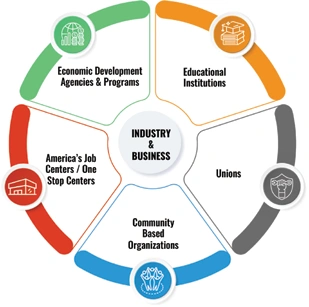
To overcome these challenges, we must invest in the whole workforce ecosystem—starting in the classroom and extending to the job site. That means creating partnerships across industry, education, community organizations, government workforce agencies, and labor to equip residents with the tools and support they need to succeed.
Our work on the Sunrise Wind project showed what’s possible when this ecosystem aligns. In partnership with 20 organizations—from educators and trade unions to community colleges, community-based organizations, and industry peers—we supported Summer Earn & Learn programs that introduced 60 students and 21 teachers from nine school districts to careers in energy and infrastructure.
One highlight from the Summer Earn & Learn programs was Taste of the Trades—a six-week summer program that provided exposure to technical careers. Students from five school districts along the project route earned college credit while developing hands-on skills like welding, soldering, and grid operations at Stony Brook University, Suffolk County Community College, and Brookhaven National Laboratory.
At the same time, teachers received paid professional development to bring current, industry-relevant knowledge back into their classrooms. This “earn-and-learn” model allowed students to contribute financially at home while exploring future careers—and it brought education and industry closer together in a way that fosters long-term recruitment. This collaborative effort showcased how two colleges, the local workforce agency, Brookhaven National Lab, and industry leaders can work together to make career exposure programs successful.
We’ve also seen the power of collaboration in our work with the Nassau Suffolk Building Trades Council, Opportunities Long Island (OLI), local unions, and the Workforce Development Institute (WDI). Together, we removed barriers to ensure that local residents weren’t just considered for union careers—they were fully prepared for them.
When training gaps emerged, WDI funded six-week program extensions. Haugland Group provided wage support to reduce financial pressure, and we structured on-the-job opportunities that helped participants progress from entry-level roles to more complex tasks, such as duct bank installation. This kind of coordination doesn’t just help the needs of one specific project. It creates a sustainable talent pipeline for all infrastructure-related work on Long Island as well as nurtures lasting partnerships regardless of the future challenges that come our way.
Local hiring builds a more stable and qualified labor pool. It fosters trust and stronger relationships with the communities we serve. It can lead to smoother project approvals and fewer compliance-related delays. It also tells a positive story about our industry, which supports continued public investment.
This work takes commitment and coordination, but it’s not theoretical—it’s already happening. And now we have the opportunity to expand it.
But no one company can do this alone. Success depends on collaboration across the entire workforce ecosystem—contractors, unions, educators, and community leaders. Whether you’re hosting a student tour, offering feedback on training programs, mentoring a young person, or joining a local hire working group, your participation matters. If you’re a contractor wondering where to begin, we want to hear from you—because solutions work best when we build them together.
The infrastructure we’re creating today will serve New Yorkers for generations. Let’s make sure the workforce behind it reflects the strength and potential of the communities we call home.
Let’s build it—together.