

Most of us know that a will and estate plan are designed to assure than your final wishes are honored. What most people do not know is how a financial advisor can add value to this important process, further ensuring that your wishes are honored in the most efficient way possible.
Utilizing a financial advisor who shares your values combined with an estate-planning attorney will help you avoid having an incomplete or insufficient estate plan which can actually be more costly to your family. If you do not make these decisions, the government — federal and sometimes state — will, with little regard for taxes or your best intentions while grinding your family through the probate process. The right estate plan can help avoid estate taxes and protect a spouse from debts and other obligations. A living will for example, can prohibit extraordinary medical procedures in treating irreversible illness.
The Advisor Advantage
When it comes to building an estate plan, a financial advisor can help you:
- Preserve wealth
- Minimize taxes
- Plan your legacy
- Provide a complete picture of your finances
- Refer you to qualified professionals
- Update beneficiary forms
- Review life insurance needs
- Help provide for a surviving spouse’s financial needs
Other Considerations
- Your estate plan is the best chance to keep assets in the family in the way in which you believe they should be. It can include almost any of your wishes within reason, does not need to be complicated and is usually quick and painless.
- Make a will stating how your assets will be distributed.
- Name someone to execute your estate.
- Hold a family meeting to outline your wishes and objectives.
- Give a trusted individual power of attorney to make financial decisions.
- Appoint a guardian and successor guardian for dependent or special-needs individuals.
- Prepare a healthcare directive/living will naming someone to make healthcare decisions.
Points to Ponder
Money does not sustain a family – planning and having a clear directive do. You may want to use this opportunity to help a charity such as a religious institution, school, or local non-profit organization. Specific gifts (bequests) of money or property can be used to help individuals or institutions.
Life changes. There may be a divorce in your family or the birth of a special-needs child. An ageing relative may need a caregiver. You can add items or make changes to your will as needed.
Acquiring wealth requires one skill set. Managing and maintaining it or using it to make the world a better place while fulfilling your final wishes is another. According to a Gallup poll, slightly less than half of U.S. adults, 46%, have a will – do not be one of them.
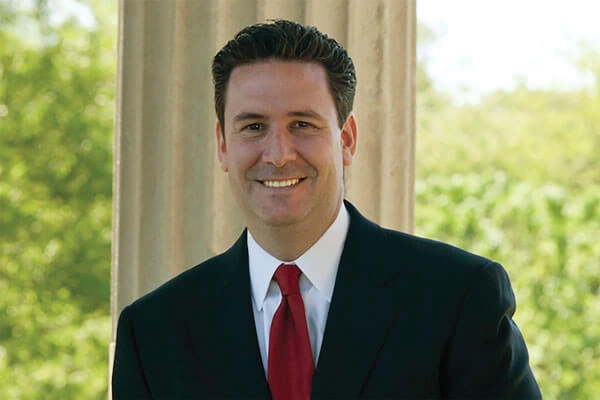
Rocco A. Carriero, MBA, CRPC®, APMA®
Private Wealth Advisor
President & CEO
Rocco A. Carriero Wealth Partners
A private wealth advisory practice of
Ameriprise Financial Services, LLC
Rocco A. Carriero is the author of: Three Cords Approach to Life and Wealth Management for Business Owners. For a complimentary copy, please contact our office: 631-283-8482.