

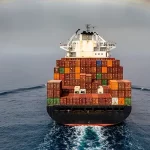
 Unless you are a geography enthusiast, the Strait of Hormuz may not be a place you could easily locate on a map. Yet this narrow waterway between the Persian Gulf and the Gulf of Oman plays an outsized role in our daily lives. A significant portion of the world’s oil supply passes through this maritime chokepoint, meaning geopolitical tensions half a world away can quickly show up here at home, often in the form of higher prices at the gas pump.
We learned a similar lesson during the COVID-19 pandemic, when supply-chain disruptions became part of our everyday vocabulary. Delayed cargo shipments, factory shutdowns, and transportation bottlenecks reminded us how interconnected the global economy truly is. When the movement of goods slows, the costs ripple through every sector, including construction.
Maritime commerce also faces risks beyond economics. Security threats remain real, as dramatized in the 2013 film Captain Phillips, based on the 2009 hijacking of the Maersk Alabama by Somali pirates. But beyond the headlines and Hollywood portrayals are the thousands of men and women who spend their careers moving the goods that sustain modern life. Most of us rarely think about them, yet our economy depends on their work every day.
The life of a mariner is far from glamorous. Long deployments, time away from family, international travel, and uncertain conditions can make for a demanding profession. In New York, that reality has long been recognized. Since 1873, Seafarers International House has served merchant mariners and immigrants arriving in New York Harbor, offering hospitality and practical support to those whose work keeps commerce moving.
New York is also deeply connected to maritime education and workforce development. SUNY Maritime College, founded in 1874 as the New York Nautical School, remains the nation’s oldest maritime college, training generations of maritime professionals from its campus at Fort Schuyler in the Bronx. Closer to home, Long Island hosts one of the nation’s most important federal service academies: the United States Merchant Marine Academy in Kings Point. Dedicated in 1943, the academy was described by President Franklin D. Roosevelt as serving the Merchant Marine “as West Point serves the Army and Annapolis the Navy.”
While the Long Island Contractors’ Association is rightly focused on the transportation and infrastructure needs of our region, global maritime systems have a direct local impact. Worldwide shipping conditions, energy markets, and international logistics shape the cost and availability of construction materials.
At the same time, Long Island has a unique stake in the future of maritime infrastructure itself. The US Merchant Marine Academy has faced significant deferred maintenance and modernization challenges, creating opportunities for the construction industry to help rebuild and strengthen this vital national institution. Supporting these improvements means more than upgrading facilities. It means investing in the next generation of professionals who will help sustain America’s economy and supply chains.
The roads, bridges, and infrastructure we build on Long Island may seem far removed from the shipping lanes of the Persian Gulf or the Atlantic Ocean. But in today’s interconnected world, they are all part of the same transportation network.