

Dynamic Risk Management Takes Center Stage
By Rocco A. Carriero, MBA, CRPC®, APMA®
While no one can have a Teflon-coated portfolio, it’s important that your financial plan is positioned to manage geopolitical risks. In a recent survey*, over 40% of financial advisors listed geopolitical risks as a top investor concern.
Armed conflict, military action, terrorist acts, and global trade disruptions occurring over the next 12 months are considered increasingly likely. Not all the risks occur beyond our borders. Internal risks include:
- Domestic terrorism
- Currency instability
- Tariffs and sanctions
- Strikes, protests, boycotts, and riots
- Natural disasters such as earthquakes, floods, wildfires, and droughts
- Technology disruption, including hacking and identity theft
Technology disruption is a fast-growing risk, exacerbated by increasing artificial-intelligence capabilities that can originate from virtually anywhere. Identifying the most pertinent risks and how to protect oneself from them has become a key, long-term planning component as geopolitical risks are real.
Today, fundamental planning includes risk management, downside resilience, and outcome-oriented investment strategies.
How Prepared Is Your Portfolio?
Crises often strike when we least expect them. What kind of effect can one have on your personal finances? How might they impact you, your family, your business, and retirement?
While it’s impossible to predict when and where the next disaster may strike, it’s important to position your portfolio so it is prepared to financially withstand an emergency. As there is opportunity in every crisis, the question is: how well prepared are you?
A good place to start is with an honest examination of your present portfolio:
- Does your portfolio include a mix of equities, bonds, cash, and insurance products to provide capital growth and income while minimizing volatility?
- Does your portfolio have suitable liquidity, or will it take time to raise cash?
- Do you understand everything in which you are invested and why you have it?
- Is there a role for precious metals and/or other alternative investments?
- Do you have adequate personal and business insurance coverage?
- Has a Power of Attorney been established in the event of your incapacitation?
- Can an independent financial advisor help by providing objective advice?
Where Do We Go From Here?
As it’s better to be proactive than reactive, many advisors are reassessing investments, manager relationships, and portfolio construction with geopolitical risks, technological change, and business dynamics in mind.
Financial planning is a dynamic discipline that has always been about risk management. Leading managers regularly adopt a broad, long-term view, taking numerous scenarios under consideration as what worked yesterday may not be the right course for today or tomorrow.
Market volatility has emerged as a chief investment challenge, along with interest rates and inflation. Managing finances in a more demanding environment is a phenomenon that is likely here to stay.
In this climate, operational excellence, sector specialization, and disciplined, research-backed investing that recognizes opportunities and risks before they occur and views liquidity as a key strategic ingredient will be in demand.
If a conversation focusing on better risk management in your portfolio can help you to reach your goals, contact our office.
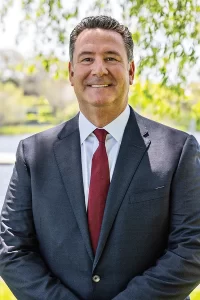 Rocco A. Carriero, MBA, CRPC®, APMA®
Private Wealth Advisor
President & CEO
Rocco A. Carriero Wealth Partners
A private wealth advisory practice of Ameriprise Financial Services, LLC
Rocco A. Carriero is the author of Three Cords Approach to Life and Wealth Management for Business Owners. For a complimentary copy, please contact our office: 631-283-8482.
*FUSE Research Network, Feb. 2026