

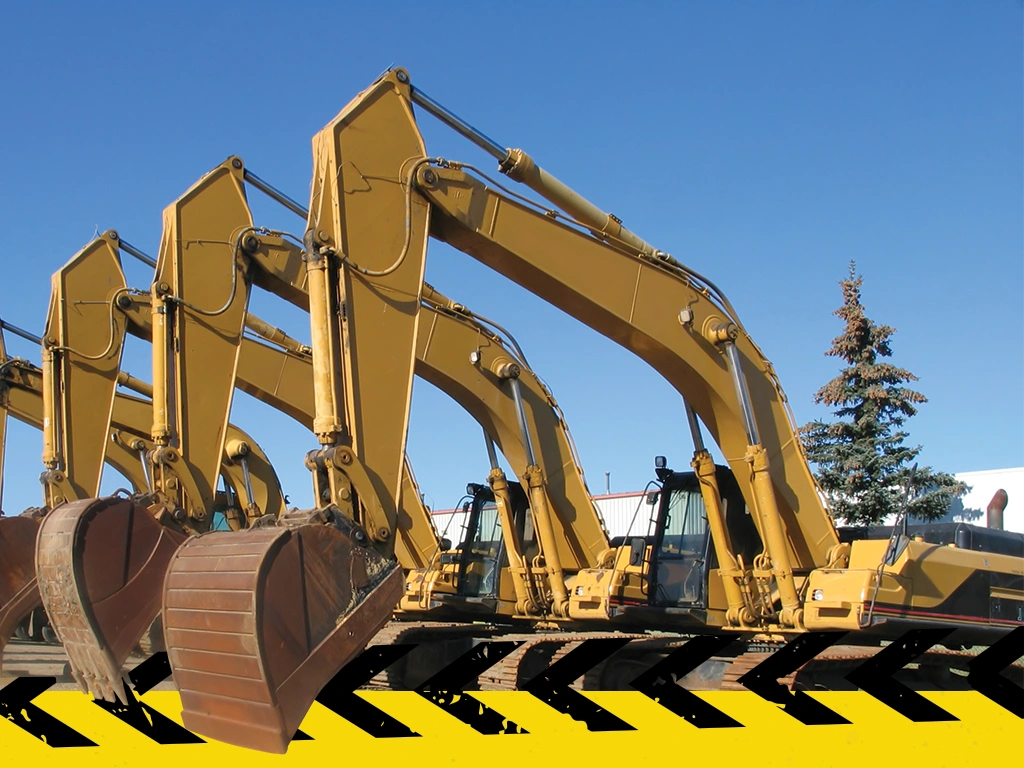
Idle equipment doesn’t just sit there; it costs you. While a yard full of iron might look like a valuable resource, it quickly drains your profitability when it’s not put to work. Every month a machine sits idle, insurance, storage, and maintenance add up, while that capital could have been spent funding new projects, upgrading technology, or hiring the skilled labor you need to grow.
For the contractors keeping Long Island’s infrastructure moving, understanding the financial impact of idle equipment is the first step toward better resource management. After all, profitability isn’t only about winning bids or taking on new work. It’s about ensuring every asset on your lot pulls its weight.
The Cost of Standing Still
Monthly expenses accumulate quickly, while depreciation erodes an idle machine’s value. That’s before factoring in the opportunity cost: what that capital could generate if it were deployed strategically. Extended periods of stagnation, combined with Long Island’s unique climate, pose risks to idle equipment:
- Fluid Degradation and Leaks: Long Island’s salt air and fluctuating temperatures take a toll on stationary equipment. Condensation builds in fuel tanks and engine blocks, leading to corrosion and microbial growth in diesel systems.
- Battery and Electronic Decay: Modern Tier 4 engines rely on intricate sensors and control modules. Deep-cycling a battery through non-use can “brick” expensive electronics, leaving you with a machine that won’t start when you need it.
Even with proper maintenance to combat the physical risks, idle machinery faces an unavoidable challenge: the steady loss of value over time.
The Depreciation Dilemma
Depreciation is often viewed as a tax benefit, but for idle equipment, it’s a direct hit to profitability. Most heavy machinery loses value based on a combination of age and usage hours. Even if no hours are added, “calendar depreciation” continues to erode its worth.
When a machine sits idle, its market value drops while fixed overhead costs like insurance, storage, and financing interest remain the same. For example, a $200,000 excavator sitting unused for six months could lose 5–10% of its resale value without even turning a wheel. That “lost” equity represents capital that could have been reinvested in newer technology or used to offset other costs.
Keeping Your Fleet in Motion
Fleet managers must treat the yard with the same level of focus and intention as the job site. By implementing these three strategies, you can maximize efficiency and avoid being weighed down by the hidden costs of stagnation:
- The “Exercise” Schedule: Run equipment on a bi-weekly maintenance cycle to keep machines in working condition. Operating engines at temperature and cycling hydraulic cylinders redistribute oil to seals, prevent leaks, and avoid tire flat-spotting or track seizure.
- Telematics Oversight: Follow the 20% Rule: if a machine drops below 20% utilization over 90 days, it’s a liability, not an asset. Telematics also flags battery drain or fluid loss early, before they become expensive problems.
- Strategic De-Fleeting: With used equipment values currently high, it’s worth taking a closer look at your fleet. If a specialized machine has sat idle for more than a season, consider a sell-and-rent approach. Liquidating underused assets improves your debt-to-equity ratio and frees cash flow to rent specific tools only when you need them.
- Protect Pricing Accuracy: When machines sit idle, their costs become unabsorbed overhead. If estimators fail to adjust for this, future bids may require higher overhead rates or pass hidden inefficiencies onto new projects. Be sure to review historical data and align rates with current utilization levels to maintain accuracy and competitiveness.
The Road to Fleet Efficiency
Profitability is won in the margins. Every drop of oil on the shop floor and every month of “calendar depreciation” on an idle machine represents a drain on your hard-earned success. By monitoring utilization rates and maintaining a “ready-to-roar” maintenance culture, you can ensure that your fleet is an engine of growth, not a source of waste.
 Carl Oliveri, CPA, CCIFP, is the Construction Practice Leader and a Partner at Grassi. He has over 25 years of experience advising owners and executives in the Construction industry, particularly in project-centric and companywide financial modeling, operational strategy development, financial statement accounting services, income tax method analysis, and more. This extensive industry experience enables him to offer valuable insights and advice to construction clients on market trends and best practices.